

Flying Without a Pilot: Is a Revolution in Air Traffic Control Coming?
WIRED ·
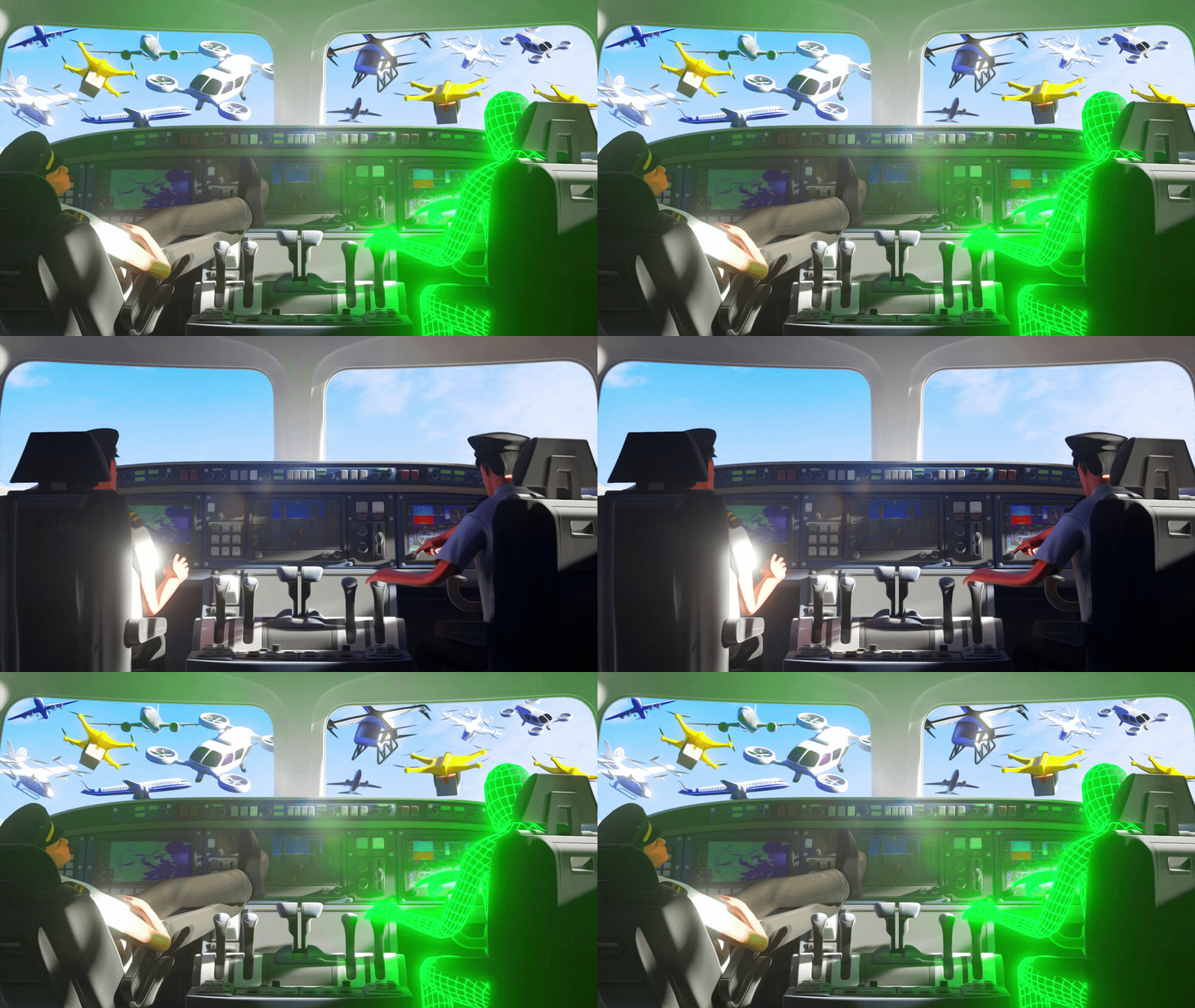
Recently, the AI-powered air traffic management tool 'SMART', introduced by U.S. Transportation Secretary Sean Duffy, has come to the forefront with promises of revolutionizing air traffic. However, the FAA's decision to halt all flights on October 13 raised concerns about the reliability of this new system. The reduction of human factors in air traffic control is sparking debates regarding both safety and workforce needs.
Autonomous systems expected to replace piloted flights could lead to significant changes in air transportation. However, the reliability of these technologies and their impact on human life remain uncertain. Some experts worry that such innovations could complicate the existing air traffic system even further. The potential of SMART to reduce the number of humans in air traffic control comes with hopes of addressing workforce shortages.
Integrating new technologies to ensure flight safety could transform air transportation in the long run. However, it is emphasized that caution is necessary during this process.