

Revolution in Stroke Rehabilitation with Robotic Systems
The Robot Report ·
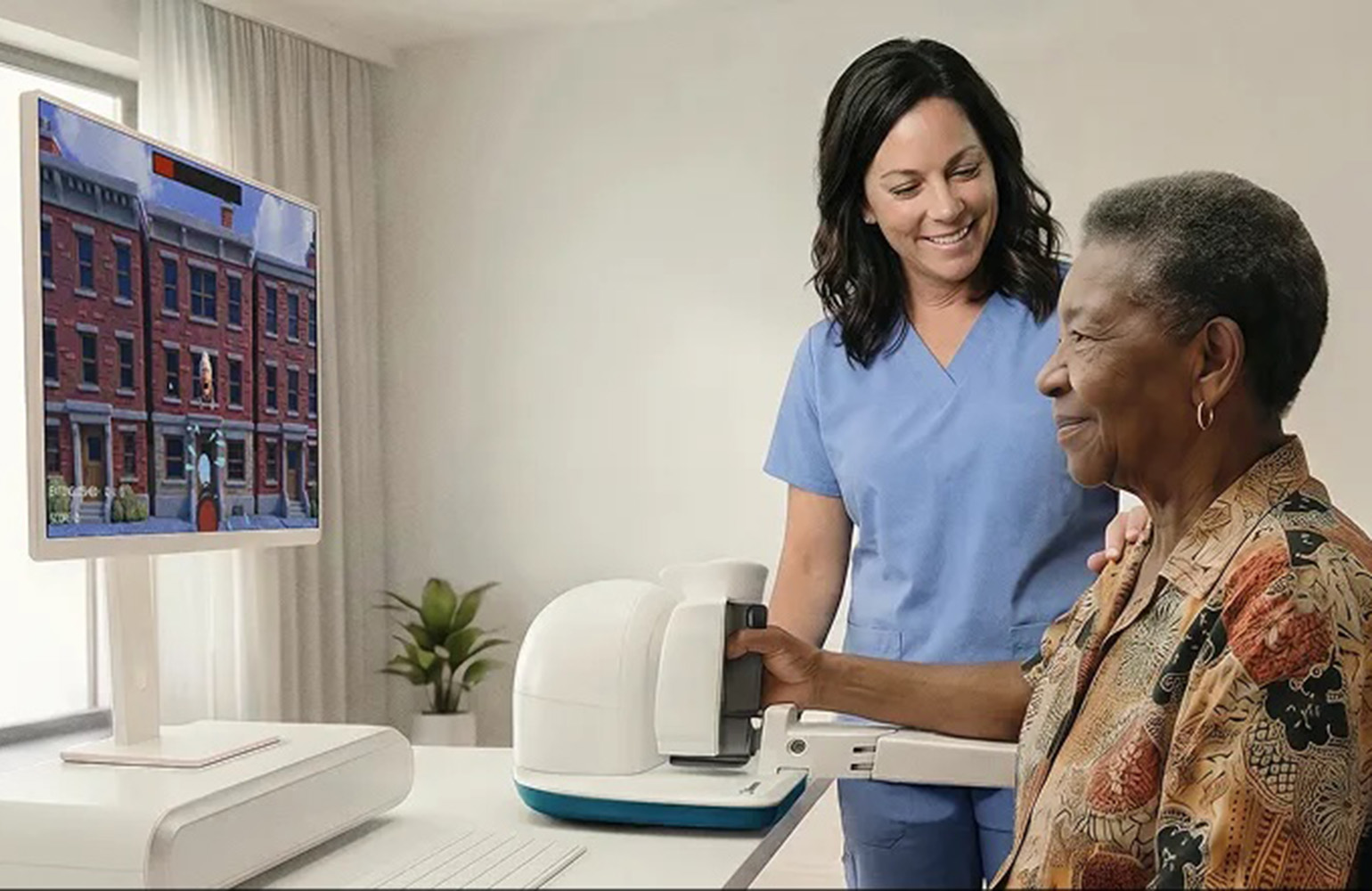
In the United States, someone suffers a stroke every 40 seconds. After experiencing a stroke, the rehabilitation process for patients is often long and filled with challenges. In addition to traditional treatment methods, robotic rehabilitation systems are personalizing treatment processes by accelerating neuroplasticity and allowing patients to receive rehabilitation in environments outside of hospitals.
Robotic rehabilitation devices help patients perform repetitive movements while keeping their movements under control, supporting motor learning. Additionally, by emphasizing movement errors through the error augmentation method, it assists the brain in correcting these mistakes. This technology enables the creation of customized rehabilitation plans tailored to individual needs.
The increase in home robotic rehabilitation systems is helping patients gain easier access to treatment. These systems allow patients to effectively rehabilitate from their homes while also facilitating remote connections with clinics. However, there are some challenges, such as cost and training. The future requires robotic systems to combine with human expertise to provide more effective rehabilitation processes.