

The Future of Robots: Human-Robot Workforce Transformation
The Robot Report ·
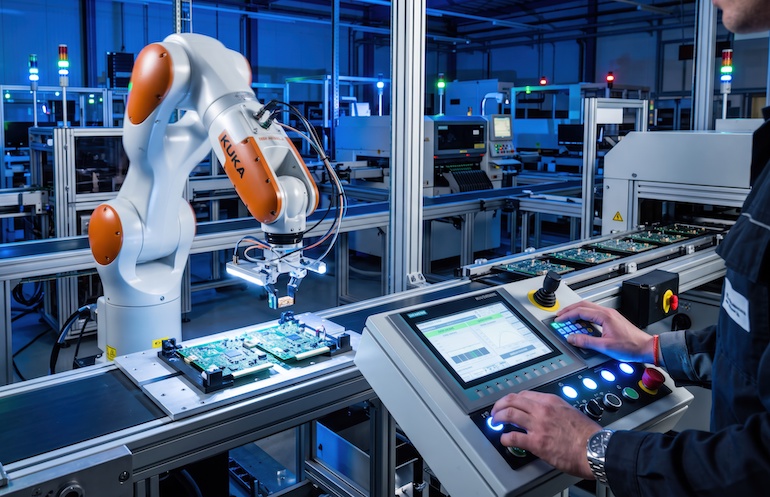
Robot technologies require the evolution of not only machines but also the human workforce. According to HireArt, as robotic systems move towards large-scale applications, the main limiting factor is not the robot itself, but the human workforce that operates and maintains it. In the early stages, small and well-coordinated teams succeed, while the use of robots in various environments and shifts necessitates a more complex workforce structure.
In recent years, physical artificial intelligence applications require a new approach to workforce design. Traditional gig-style workforces fall short in environments where elements like safety training and site-specific protocols are crucial. This situation accelerates the transition to a hybrid workforce structure; some organizations are forming a core of trained operators and technicians who adhere to standard operating procedures and carry responsibilities.
New role types lie between engineering and operations. Robot operators, field technicians, and data collection specialists are responsible not only for operating systems but also for transforming real-world behaviors into engineering feedback loops. Scaling robotic technologies is not just a technical challenge but also an organizational challenge.