

Aircraft Turbulence Can Now Be Better Predicted
WIRED ·
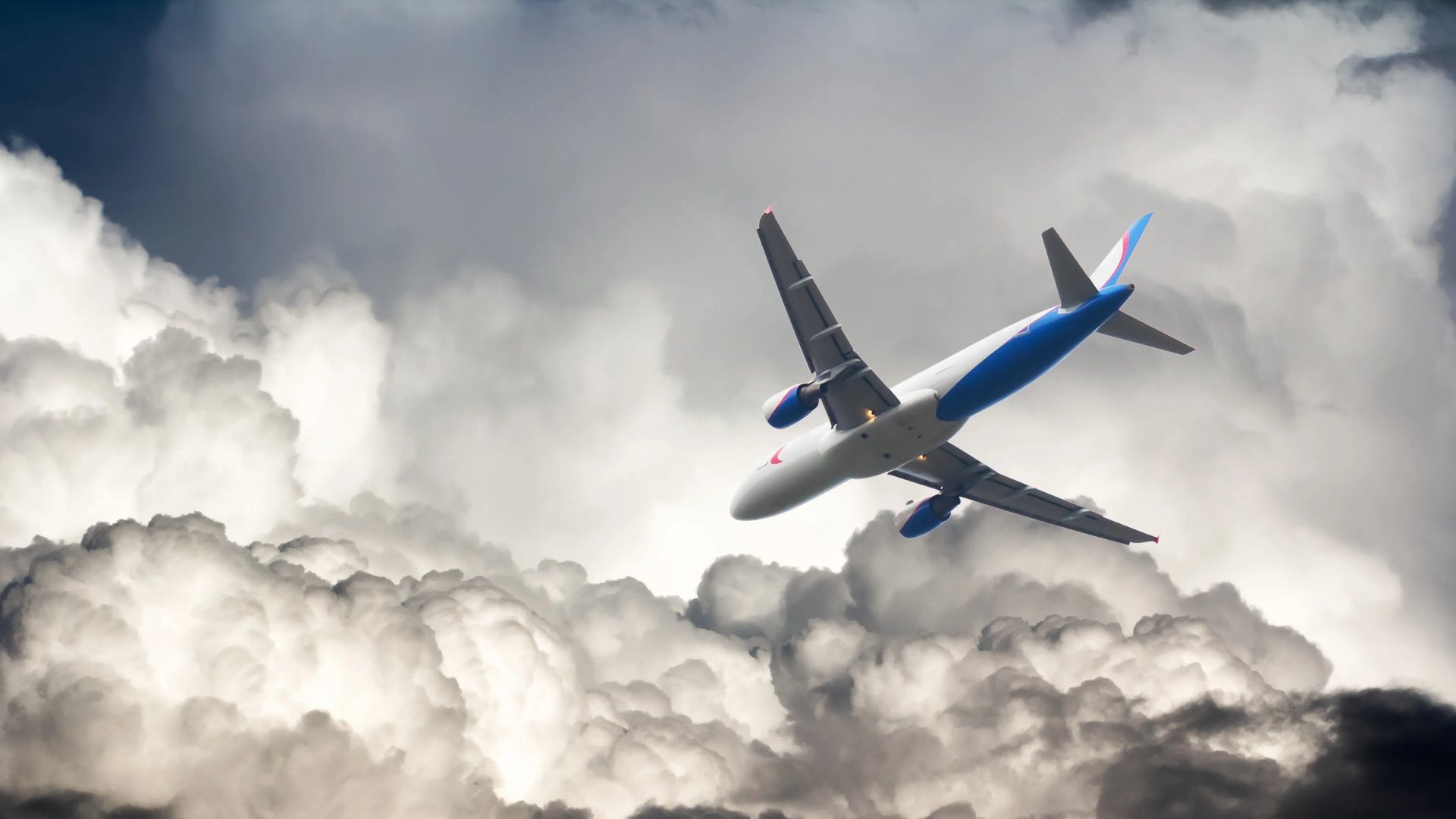
Turbulence experienced in aircraft has historically been a challenging issue for pilots. Despite Leonardo da Vinci's observations in the 1500s, the exact workings of this complex phenomenon are still not fully understood. However, recent data-driven studies have provided promising developments in predicting and preventing turbulence. In particular, the vast amounts of data generated by aircraft engines are being utilized to forecast turbulence, which has the potential to enhance passenger safety.
Recently, projects coordinated by the U.S. government and the airline industry have taken significant steps to better understand turbulence. For instance, it has become possible to detect unexpected turbulence by using information on aircraft location, altitude, and speed. Additionally, machine learning applications hold the potential to improve predictions about when and where turbulence may occur.
These advancements could help the aviation industry better understand the conditions that create turbulence and keep aircraft away from these conditions, without the need to completely solve turbulence. Companies like SkyPath are assisting pilots in avoiding turbulent air by using data collected from devices within the aircraft.