

Designing and Conducting Scientific Experiments with Artificial Intelligence
ZME Science ·
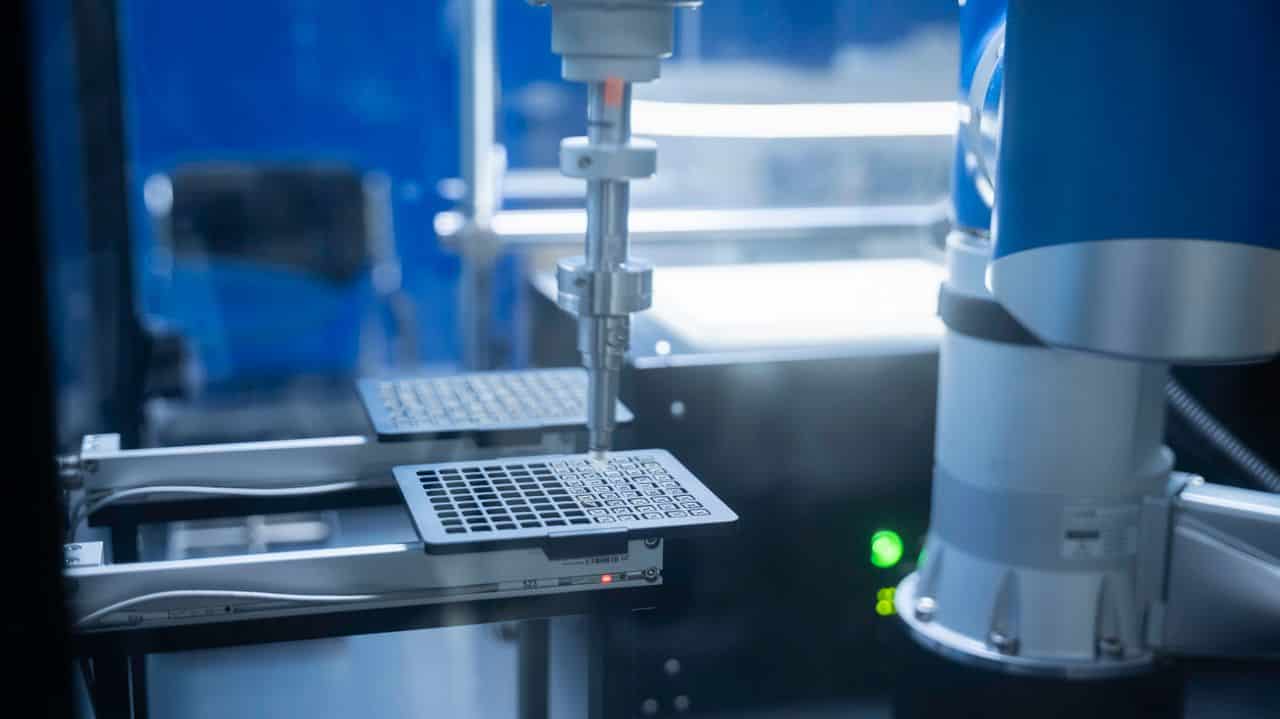
A new artificial intelligence system developed at Chalmers University of Technology in Sweden can generate scientific hypotheses, design experiments, and interpret results. This system can conduct experiments by instructing automated laboratory equipment. However, scientists still play a critical role in ensuring the safety of experiments and determining the meaning of results.
As part of the concept of 'autonomous laboratories', the new system allows experiments to be conducted without human intervention. Compared to previous robotic scientists, this system uses more advanced AI techniques to transform hypotheses into practical experimental plans.
While some experiments may yield unexpected results, this data is stored in the system's database and helps shape future hypotheses. Human scientists continue to take on the task of setting research priorities and providing ethical oversight.