

New Quantum Algorithm Could Accelerate AI and Scientific Computations
Interesting Engineering ·
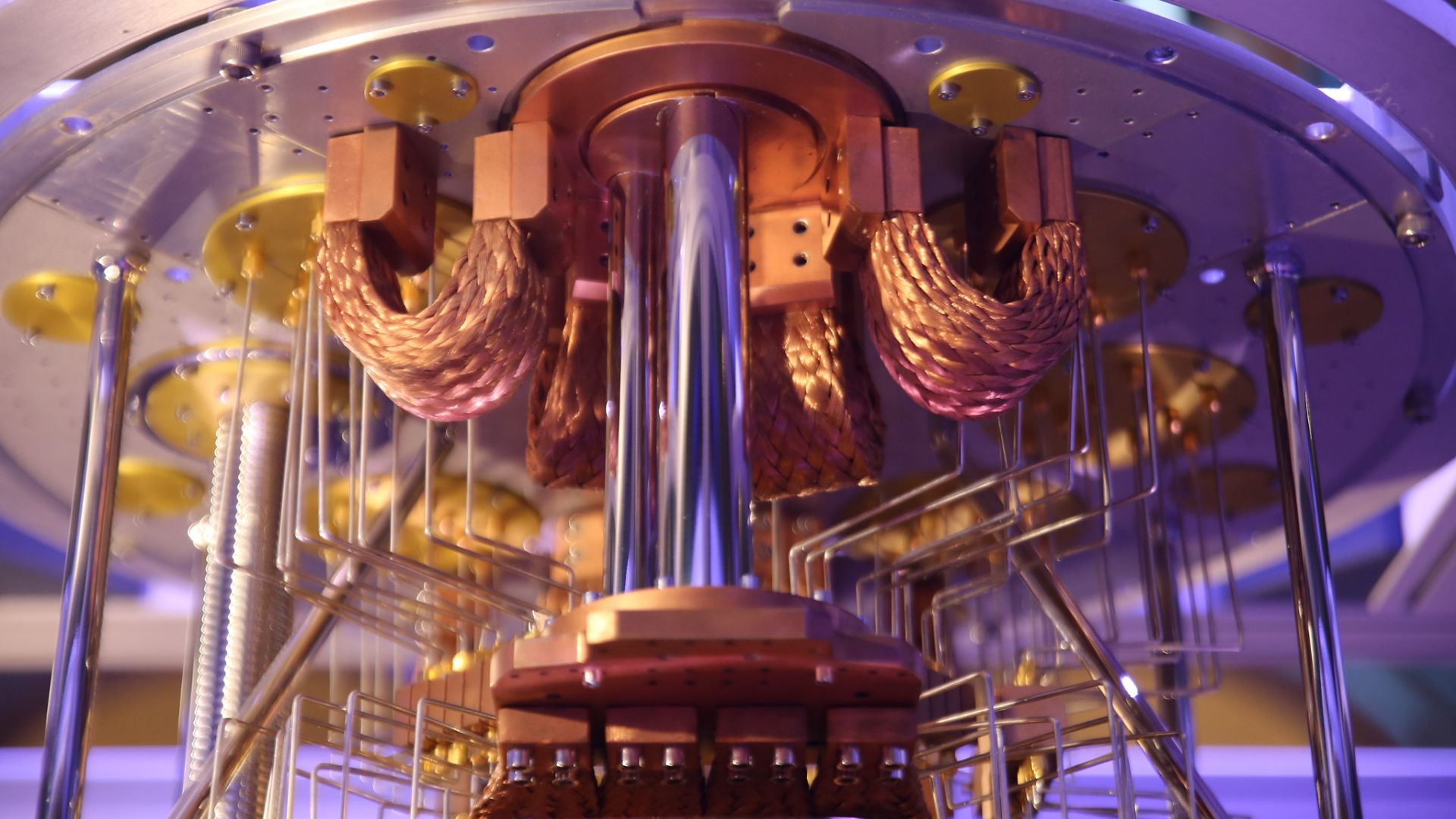
Researchers from the U.S. Department of Energy's Brookhaven National Laboratory, Northeastern University, Google Quantum AI, and the University of Texas have developed a new quantum algorithm that could expand the range of problems future quantum computers can solve. Known as the Quantum Hermite Transform (QHT), this algorithm promises to enhance the data processing and physical system simulation capabilities of quantum computers.
It is noted that quantum computers require specialized algorithms that operate using quantum mechanical phenomena, unlike classical computers. The developed algorithm allows for more efficient complex computations, enabling the simulation of future states of quantum systems without prior calculations. This could aid in the development of more effective quantum algorithms in fields such as artificial intelligence and materials science.
The researchers argue that this new quantum primitive will expand the library of reusable quantum components necessary for designing new quantum algorithms instead of relying on existing techniques. The project emerged as part of an increasing emphasis on developing the mathematical foundations necessary for more powerful quantum hardware and the widespread utility of future quantum computers.